

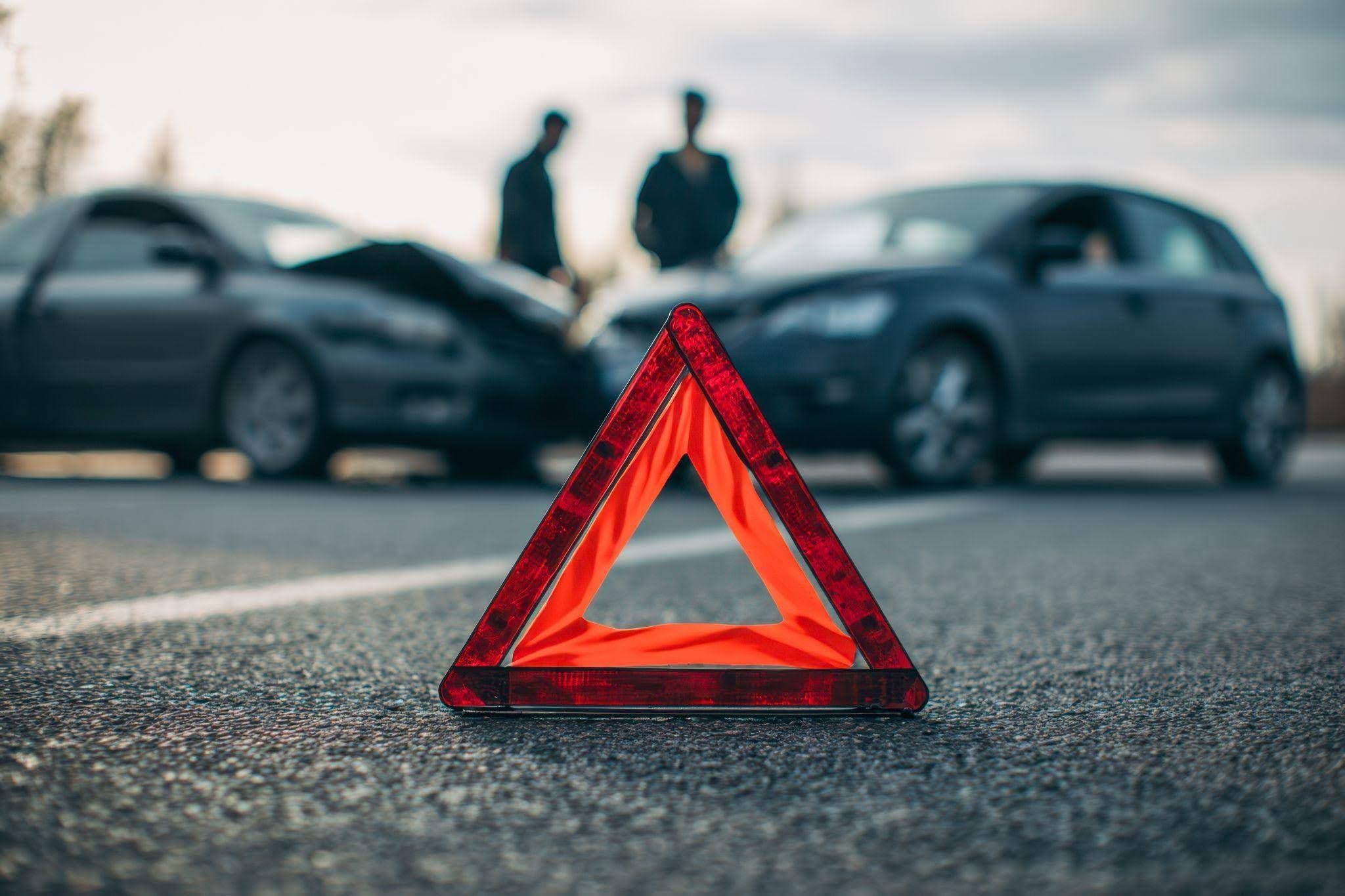
To file a claim after a car accident, first, make sure everyone is safe and call the police if needed. Then document the scene, exchange information with the other driver, and contact your insurance company as soon as possible. From there, a claims adjuster will assess the damage and guide you through repairs and settlement.
No one plans on getting into an accident. One minute you’re driving home from the grocery store, and the next you’re standing on the side of the road wondering what to do first. It’s stressful, it’s disorienting, and it’s exactly why knowing how to file a claim after a car accident before you ever need to can make all the difference.
The good news is that filing a claim is more straightforward than most people expect, especially when you know what to expect ahead of time. Here’s everything you need to know, step by step, including a few details about car insurance in Utah that generic national guides tend to miss.

How to file a claim after a car accident
There are six steps involved with filing a claim after a car accident: checking for injuries and getting to safety; calling the police; documenting everything; contacting your insurance company; working with the claims adjuster; and getting your repairs done and settling the claim. Let’s take a closer look at each step.
Step 1: Check for injuries and get to safety
Before anything else, make sure you and your passengers are okay. If anyone is hurt, call 911 right away. If the vehicles are drivable and it’s safe to do so, move them out of traffic and turn on your hazard lights.
Step 2: Call the police
In Utah, you’re legally required to report an accident that involves injury, death, or apparent property damage of $2,500 or more. But even for smaller fender-benders, a police report is worth having. It’s an official, third-party record of what happened, and it makes the claims process smoother for everyone.
Step 3: Document everything
Exchange names, phone numbers, insurance details, and license plate numbers with the other driver. Then, take lots of photos. Capture damage to both vehicles, the overall scene, road conditions, and any nearby traffic signs. If there are witnesses, ask for their contact information as well.
One important tip is not to admit fault or speculate about what happened, even casually. Stick to the facts and let the insurance companies sort out the rest.
Step 4: Contact your insurance company
Notify your insurer as soon as possible. Most companies (and most Utah auto insurance policies) expect to hear from you within about 24 hours. Many carriers let you start a claim right from an app while you’re still at the scene. You’ll share the basics: when and where the accident happened, who was involved, the police report number, and your photos.
Even if the other driver was clearly at fault, you should still report the accident to your own insurance company. And if you work with a local agent, this is where having one really pays off. You’ve got a real person in your corner who can answer questions and keep things moving.
Step 5: Work with the claims adjuster
Your insurer will assign a claims adjuster to your case. Their job is to review the police report, inspect the damage (in person or through your photos), and determine what your policy covers. They’ll then issue a repair estimate. If you feel the estimate is too low, you’re allowed to get independent quotes from repair shops and negotiate.
Step 6: Get your repairs and settle the claim
In most cases, you can choose your own repair shop, though insurers often have preferred networks that come with workmanship guarantees. You’ll pay your deductible, and your insurance covers the remaining approved amount. If your car is declared a total loss, you’ll receive its actual cash value instead.
How Utah’s no-fault system works
Here’s where car insurance in Utah differs from many other states: Utah is a no-fault state. That means your own Personal Injury Protection (PIP) coverage pays for your medical expenses after an accident, no matter who caused it. Every Utah auto insurance policy must include at least $3,000 in PIP coverage.
You can only step outside the no-fault system and pursue a claim against the other driver if your medical bills exceed $3,000 or your injuries are serious. Vehicle damage, on the other hand, still follows fault. The at-fault driver’s liability coverage pays for your repairs, or you can go through your own collision coverage and let your insurer seek reimbursement.
Examples of filing a claim after a car accident
The parking lot fender-bender
Sarah backed into another car in a Logan grocery store parking lot. There were no injuries, and the damage was minor. She exchanged information, snapped photos, and called her agent that afternoon. Because the damage was under $2,500 and no one was hurt, a police report wasn’t required. Her claim was processed within a week, and the other driver’s bumper was repaired through Sarah’s liability coverage.
The snowstorm pileup on I-15
Mike was one of four vehicles in a chain-reaction accident during a January snowstorm. Police responded, injuries were reported, and multiple insurers got involved. Mike’s PIP coverage paid his initial medical bills right away, while the adjusters sorted out fault for the vehicle damage over the following weeks. His collision coverage paid to repair his truck without waiting for the process to finish.

Frequently asked questions
How long do I have to file a claim?
Your policy will require “prompt” notice, so don’t wait. Legally, Utah allows three years for property damage claims and four years for personal injury claims, but the sooner you file, the smoother the process.
Will my rates go up after a claim?
If you were at fault, possibly. Not-at-fault claims typically have little or no impact, though it depends on your insurer and your overall driving history. Rates for car insurance in Utah vary widely from carrier to carrier, so it never hurts to review your options after a claim.
What if the other driver doesn’t have insurance?
Roughly one in ten drivers on the road is uninsured. That’s why uninsured/underinsured motorist coverage exists. It steps in when the at-fault driver can’t pay. It’s one of the most valuable add-ons to any Utah auto insurance policy.
Should I file a claim for minor damage?
If the damage is close to your deductible and no one else is involved, paying out of pocket sometimes makes sense. But if another driver is involved, always report it. Injuries and hidden damage can surface days later.
What if the accident was partially my fault?
Utah follows a modified comparative negligence rule. As long as you were less than 50% responsible for the accident, you can still recover damages from the other driver — your share of the fault simply reduces your compensation. If you’re found 50% or more at fault, you can’t recover from the other party, which is another reason solid documentation at the scene matters so much.
Know before you need to with Bear River Insurance
The best time to learn how to file a claim after a car accident is before you’re standing on the shoulder of the road with your hazards on. A quick conversation with your agent today about your PIP limits, your deductible, and whether you have uninsured motorist coverage can save you a lot of stress later.
If you have questions about your coverage or want a friendly second opinion on your Utah auto insurance policy, the Bear River Insurance team is always happy to help. Stop by, give us a call, or reach out online. We’re your neighbors, and we’ve got your back.