



Renter’s insurance protects your belongings, provides liability coverage, and offers peace of mind if something goes wrong in your rental home. Renter’s insurance coverage helps pay for stolen or damaged personal items, hotel costs after a covered loss, and even legal expenses — all for a relatively low renter’s insurance cost each month.
Renting an apartment or home feels simple — until a burst pipe ruins your furniture or a kitchen fire spreads to your neighbor’s unit. Without renters’ insurance coverage, you could be responsible for replacing everything out of pocket, along with potential liability costs.
In this guide, you’ll learn why renters’ insurance for apartments is so valuable, what it actually covers, how much renters’ insurance costs, and simple steps to choose a policy that fits your budget and lifestyle.
What is renters’ insurance, and what does it cover?
Renters’ insurance is a policy designed to protect people who rent rather than own their homes. At its core, renters’ insurance coverage includes three main pieces:
- Protection for your personal property
- Liability coverage if someone is injured or you cause damage to others
- Additional living expenses if your rental becomes uninhabitable after a covered loss
Most renters’ insurance policies for apartments cover losses from fires, theft, vandalism, and certain types of water damage. Renters’ insurance is surprisingly affordable for all the protection it offers. When you add in liability coverage and relocation help, renters’ insurance coverage becomes a smart, affordable safety net for renters at any stage of life.
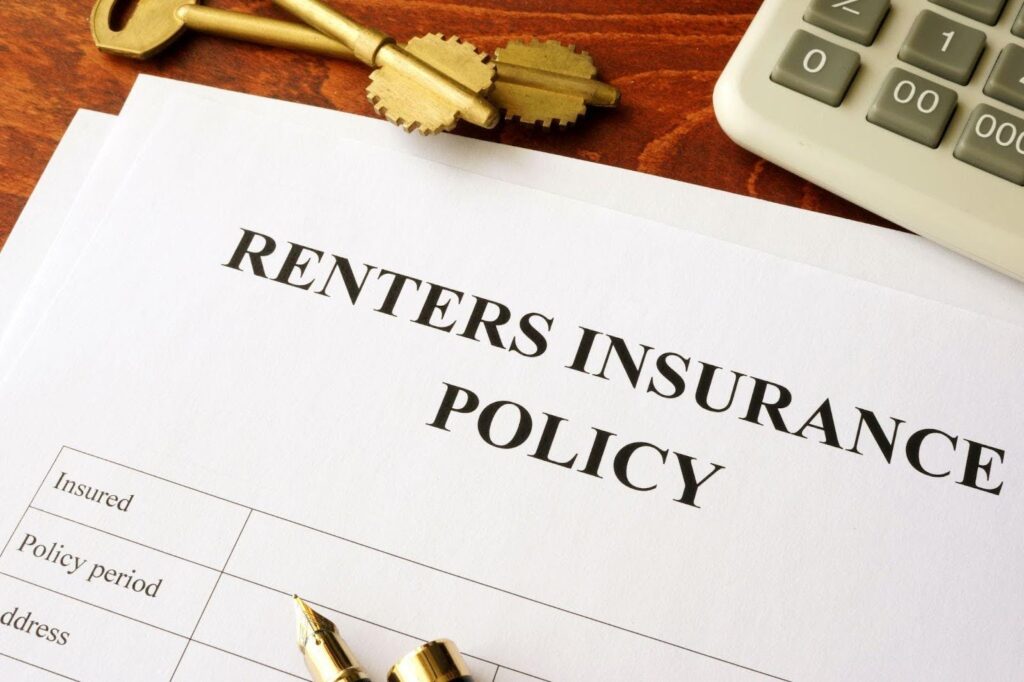
How to get renters’ insurance in four simple steps
1. List your belongings
Walk through your home and estimate the cost to replace your furniture, electronics, clothing, and other valuables. This helps you choose the right personal property limits for your renters’ insurance coverage.
2. Compare policy options
Get quotes from a few providers and compare what each renters’ insurance cost includes. Look at coverage limits, deductibles, and whether the policy offers replacement cost or actual cash value for your belongings.
3. Check liability coverage and add-ons
Make sure your renters’ insurance for apartments includes enough liability coverage to protect you if someone gets hurt in your home. Consider add-ons for high-value items, such as jewelry or specialized electronics.
4. Purchase and review annually
Once you choose a policy, keep a copy of your documents and review them each year. As you buy new items or move to a different unit, update your renters’ insurance coverage so it still matches your needs and budget.
Examples of renters’ insurance in action
Kitchen fire in an apartment
A small grease fire in a renter’s kitchen spreads quickly, damaging cabinets, appliances, and smoke-staining furniture. Renter’s insurance helps replace your personal property and pays for a hotel while you wait for repairs. Liability coverage may also help if neighboring units suffer damage.
Theft from a break-in
A tenant returns home to find their laptop, TV, and gaming console stolen. Their renters’ insurance coverage reimburses them (up to policy limits) for the stolen items, significantly reducing the financial impact of the burglary.
Slip-and-fall guest injury
A guest trips on a rug, breaks a wrist, and faces medical bills. With liability coverage included in the policy, the renter’s insurance cost they’ve been paying monthly now covers medical expenses and potential legal fees, instead of the renter paying everything out of pocket.
Key benefits of renters’ insurance
Covers your personal property
Renter’s insurance coverage helps replace furniture, electronics, clothing, and more after covered events like fire, theft, or vandalism.
Liability coverage
If someone gets injured in your home or you accidentally damage someone else’s property, the liability portion of your renter’s insurance helps with medical bills, legal costs, and settlements.
Affordability
For most people, renters’ insurance costs are surprisingly low compared to the value of everything they own and the protection it provides.
Peace of mind
Knowing your belongings and liability risks are covered lets you enjoy your space without constantly worrying about “what if” scenarios.
Sometimes a requirement
Many landlords now require renters’ insurance for apartments as part of the lease, both to protect tenants and reduce disputes after a loss.
Common mistakes renters should avoid
- Assuming the landlord’s policy covers you
Your landlord’s insurance typically covers the building itself, not your personal belongings or liability. That’s what renters’ insurance coverage is for. - Underestimating property value
Many renters guess too low when estimating what they own. This leaves you underinsured and disappointed when filing a claim. - Choosing the lowest price only
Focusing solely on the lowest-cost renters’ insurance means missing important protections, such as adequate liability coverage or replacement-cost reimbursement. - Not updating your policy
If you move, buy new electronics, or get a pet, you may need to adjust your renter’s insurance for apartments to keep coverage aligned with your life. - Skipping documentation
Failing to keep receipts or take photos of major items slows down or complicates the claims process.

Renters’ insurance data and statistics
- A typical renter owns tens of thousands of dollars’ worth of personal property, yet many underestimate the cost to replace everything at once.
- Renters are often more vulnerable to losses from neighboring units (like fires or leaks) because they share walls and systems.
- In many markets, the average monthly cost of renters insurance is less than what many people spend on streaming services or takeout in a week.
- Liability claims easily exceed personal savings, which is why liability coverage is one of the most valuable parts of renters’ insurance coverage.
Recommended tools and resources
- Home inventory apps: Use a simple app or spreadsheet to document your belongings, making it easier to select coverage limits and file claims.
- Online quote tools: Compare renters’ insurance cost estimates from multiple providers in minutes to find a policy that fits your budget.
- Coverage calculators: Many insurers offer calculators to help you estimate how much renters’ insurance coverage you need based on where you live and what you own.
- Policy review checklist: Once a year, review your liability coverage, deductibles, and property limits to ensure your renters’ insurance for apartments still fits your current situation.
FAQ
Is renters’ insurance really worth it?
Yes. For a relatively low renter’s insurance cost, you get protection for your belongings, liability coverage, and help with additional living expenses if a covered loss displaces you. It only takes one incident to make the policy pay for itself.
Does renters’ insurance cover all my belongings?
Renter’s insurance generally covers furniture, clothing, electronics, and other everyday items, up to your policy limits. High-value items like jewelry or collectibles may require extra coverage or endorsements, so review these details before buying.
Does law require renters’ insurance?
Renter’s insurance for apartments is not typically required by law, but many landlords make it a lease requirement. Even when it’s optional, having coverage is strongly recommended for your financial protection and peace of mind.
How much renters’ insurance coverage do I need?
Add up the approximate value of what you own, then choose limits that realistically replace your belongings. Also consider liability coverage amounts that would protect you in a worst-case scenario, balancing this with your ideal renter’s insurance cost.
Renters’ insurance in Utah
In many cities and growing suburban areas, apartment living is becoming more common, and buildings are closer together. That means one incident — a kitchen fire, a burst pipe, or a break-in — impacts multiple units.
Renters’ insurance for apartments in dense communities is especially important, since it covers your personal property and provides liability coverage if damage spreads beyond your unit.
With unpredictable weather and shared systems, having solid renters’ insurance coverage is one of the simplest ways to safeguard your budget and your belongings.
Ready to protect your apartment? Contact Bear River Insurance
Contact Bear River Insurance today for affordable renters’ insurance tailored to your needs and lifestyle. Our local Utah experts understand the unique risks renters face and will walk you through every step to find the perfect policy. Don’t wait for tomorrow’s “what if” to become reality; get covered with Bear River Insurance now.